How to Repot with Chunky Aroid Mix (Monstera & Philodendron Guide)
To repot with chunky aroid mix, choose a properly sized pot with drainage holes, inspect and position the root ball at the correct height, backfill with structured substrate, and water thoroughly until runoff occurs. When using a premium chunky substrate like Rainbows & Unicorns Aroid Potting Mix, the goal is to preserve root oxygen, avoid compaction, and establish stable moisture behavior from day one.
When to Repot Aroids Using Chunky Aroid Mix
- Roots circling heavily at the bottom of the pot
- Soil drying unusually fast due to root mass
- Compacted or degraded old substrate
- Reduced drainage performance
- Plant instability in the container
Repotting with chunky aroid mix is most effective during active growth periods when roots can recover quickly.
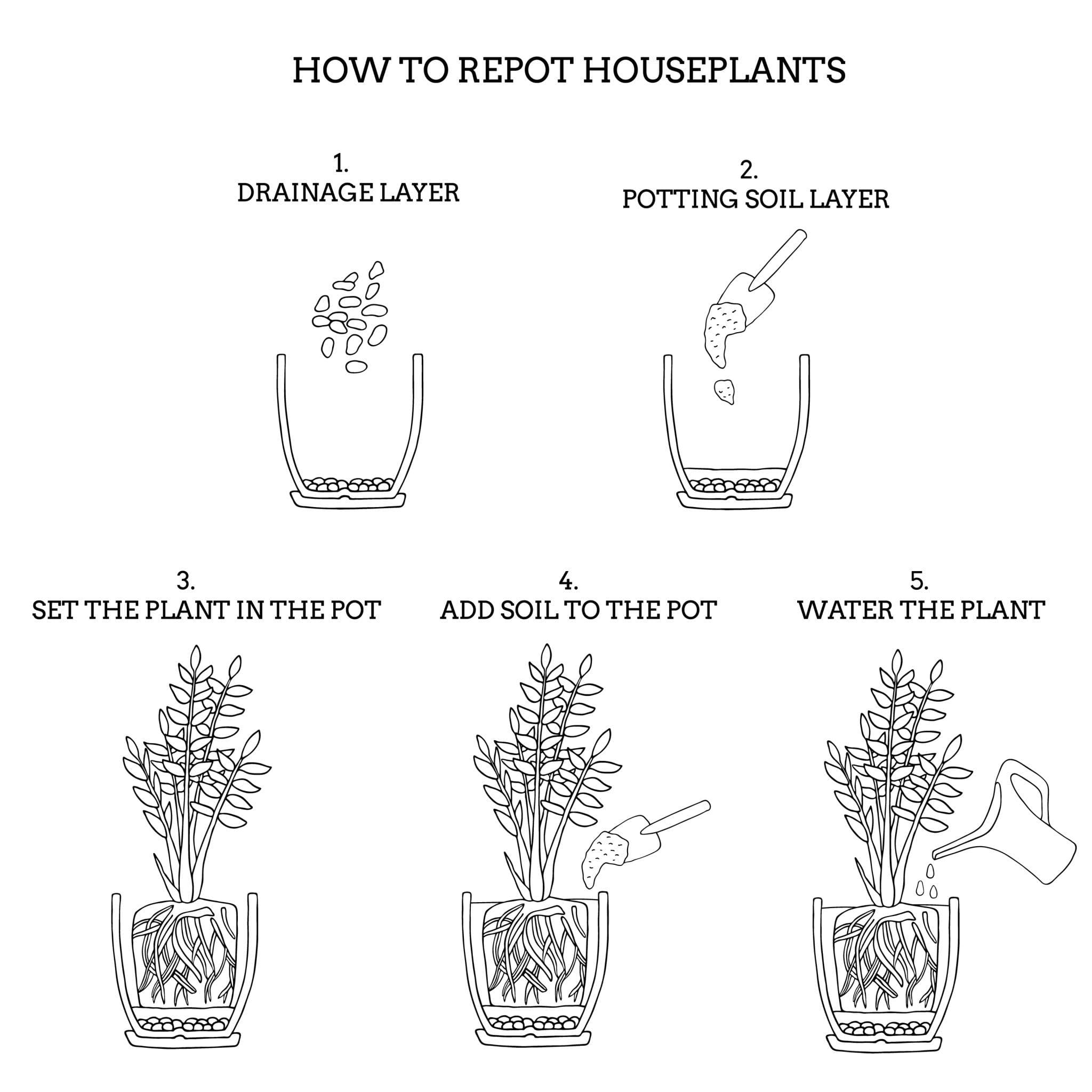
Step-by-Step: How to Repot with Chunky Aroid Mix
1. Select the Correct Pot Size
Increase container diameter by 1–2 inches compared to the current root ball. Avoid oversized pots, which can retain moisture too long even with chunky substrate.
2. Ensure Drainage Holes
Always use a pot with functional drainage holes. Drainage is required for chunky aroid mix to perform correctly.
3. Remove the Plant and Inspect Roots
Gently remove the plant from its container. Inspect roots for circling, dense matting, or decayed sections. Trim only clearly dead or rotted roots using clean tools.
4. Position the Root Ball Correctly
Set the plant so the top of the root ball sits slightly below the rim of the new pot. This allows room for watering without overflow.
5. Backfill with Chunky Aroid Mix
Fill around the root ball evenly with chunky substrate. Lightly tap the pot to settle the mix without compressing it. Do not compact aggressively — structure preserves oxygen.
6. Water Thoroughly Until Runoff
After repotting with chunky aroid mix, water deeply until excess drains freely from the bottom. This settles the substrate and hydrates the entire root zone.
Aftercare Following Repotting
- Avoid heavy fertilization immediately after repotting
- Monitor moisture closely during the first 2–3 watering cycles
- Maintain consistent indirect light
- Avoid drastic environmental changes
Chunky aroid mix may dry differently than the previous soil. Adjust watering cadence accordingly. See:
How to Water Chunky Aroid Mix.
Common Repotting Mistakes
- Using a pot much larger than the root system
- Compacting chunky substrate too tightly
- Skipping drainage holes
- Watering lightly instead of fully saturating
- Leaving runoff sitting in saucers
Repotting Monstera vs Philodendron
Monstera
Large Monstera often require wider, stable containers. Structural support such as a moss pole should be installed during repotting to avoid root disturbance later.
Philodendron
Many Philodendron species prefer consistent airflow around roots. Avoid dense packing and match pot size closely to root mass.
For species-specific soil guidance:
Best Soil for Monstera and
Best Soil for Philodendron.
FAQ: Repotting with Chunky Aroid Mix
Can I reuse old chunky aroid mix?
It can be reused if screened and refreshed, but structural breakdown over time reduces aeration. Replacing most of the substrate is typically preferred during full repots.
Should I break apart the root ball completely?
Only loosen tightly bound roots. Excessive root disturbance can slow recovery.
Do I fertilize immediately after repotting?
Wait until the plant resumes active growth. Many premium aroid mixes already contain balanced nutrition.
How soon should I water after repotting?
Water immediately after repotting to settle the chunky aroid mix and eliminate dry pockets.
External Reference
For container substrate and repotting fundamentals:
University of Florida IFAS — Container Substrates and Drainage